|
Panel dyskusyjny Thoughtful Math Teaching w erze AI. Jak uczyć mądrze, gdy algorytm rozwiązuje zadania za studenta? / Thoughtful Math Teaching in the Age of AI. How to Teach Wisely When the Algorithm Solves Problems for the Student? Anita Dąbrowicz-Tlałka (Politechnika Gdańska) Opis PL: Sztuczna inteligencja w rękach studenta, VR w sali wykładowej, a wykładowca… wciąż przy tablicy? Panel konfrontuje realia współczesnej edukacji akademickiej z oczekiwaniami cyfrowego pokolenia. Paneliści — praktycy z różnych uczelni, w tym student jako głos „drugiej strony" — zmierzą się z pytaniami o to, czy tradycyjne metody nauczania matematyki mają jeszcze przyszłość i co realnie trzeba zmienić, żeby nie stracić studentów już na pierwszym wykładzie. Description EN: AI in students' hands, VR in the lecture hall, and the professor… still at the blackboard? This panel confronts the realities of contemporary academic education with the expectations of a digital generation. Panelists — practitioners from various universities, including a student as the voice of "the other side" — will tackle questions about whether traditional methods of teaching mathematics still have a future and what genuinely needs to change to keep students engaged from the very first lecture. Język dyskusji: polski
|
Na Konferencji wystąpią m.in.
|
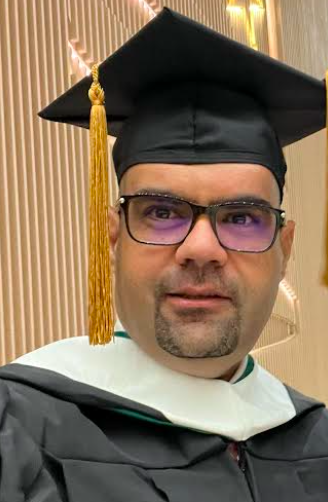
He holds a PhD in Mechanical Engineering and has over 25 years of extensive experience in higher education and industry. He has taught at universities and colleges in Jordan and Kuwait, building a long and distinguished career in teaching, curriculum development, and academic leadership. Throughout his academic journey, Dr Ahmed has delivered a wide range of courses in Mechanical Engineering, Mathematics, Physics, and general education subjects, demonstrating a strong interdisciplinary background and a deep commitment to student learning. In addition to his academic career, he has significant industrial experience in inspection and preventive maintenance of heavy equipment, allowing him to bridge theory and practice effectively in both teaching and research. His research interests include data mining and statistical analysis, artificial intelligence, mathematical, preventive maintenance, engineering modeling, vibrations, thermal power systems, and modern education techniques. His work reflects a strong focus on applying advanced analytical and computational methods to solve engineering and educational challenges. Language: English
|
|
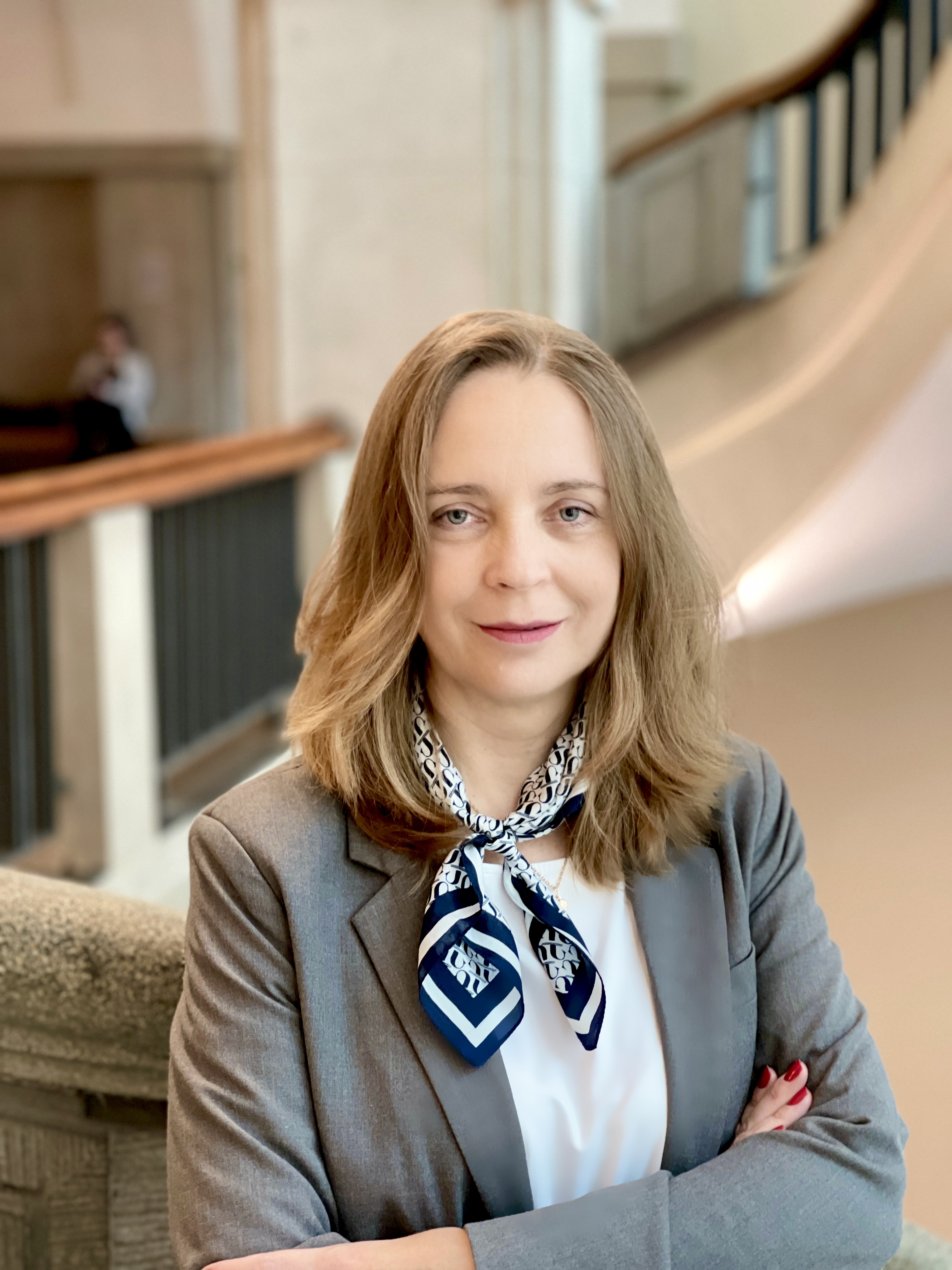
Agnieszka Bartłomiejczyk aktywnie angażuje się w popularyzację matematyki, zarówno wśród studentów, jak i społeczności lokalnej. Organizuje warsztaty, wykłady oraz spotkania popularnonaukowe, które mają na celu pokazanie praktycznych zastosowań matematyki w codziennym życiu, zwlaszcza w biologii i medycynie. Jako przewodnicząca Uczelnianej Komisji ds. Zapewnienia Jakości Kształcenia podejmuje działania mające na celu podnoszenie standardów nauczania i wspieranie inicjatyw mających na celu doskonalenie jakości edukacji na Politechnice Gdańskiej. Jest kierownikiem dwóch grantów URANIUM oraz grantu TECHNETIUM, które stanowią element realizacji zadań IDUB w zakresie podniesienia jakości kształcenia studentów i doktorantów. Jako opiekun, wspiera działania Naukowego Koła Matematyki Studentów PG, które mają na celu integrowanie studentów zainteresowanych matematyką oraz organizowanie seminariów, które promują rozwój naukowy wśród studentów. Język wystąpienia: polski
|
|
Doktor nauk matematycznych, adiunkt w grupie pracowników dydaktycznych w Instytucie Matematyki Politechniki Poznańskiej. Główną pasją jest wykorzystywanie nowoczesnych technologii w dydaktyce akademickiej. Stale wdraża innowacyjne rozwiązania, których celem jest uatrakcyjnienie procesu kształcenia, zwiększenie zaangażowania studentów oraz poprawa efektów nauczania matematyki. Aktywnie angażuje się w popularyzację nauki oraz wspieranie uzdolnionej młodzieży. Jest współorganizatorką cenionych wydarzeń, takich jak Noc Naukowców w Poznaniu. Szczególną rolę w jej działalności odgrywa konkurs matematyczny inPUT, skierowany do uczniów szkół średnich i absolwentów techników, w którym nagrodą dla laureatów jest indeks na Politechnikę Poznańską. Poprzez te inicjatywy wspiera młode talenty i aktywnie promuje ścieżkę rozwoju edukacyjnego w środowisku akademickim. Język wystąpienia: polski
|
|
Przedsiębiorca z ponad 25-letnim doświadczeniem w budowaniu i rozwijaniu firm technologicznych, które w swoich niszach osiągały zasięg globalny. W uTopiVR odpowiada za koncepcję produktu, kierunek rozwoju oraz jest bezpośrednio zaangażowany w proces powstawania platformy. Język wystąpienia: polski
|
|
Ilona Buchem is Professor of Communication and Media Sciences and Head of the Communication Lab at the Berlin University of Applied Sciences (BHT), Germany. She leads interdisciplinary research and innovation projects at the intersection of educational technology, artificial intelligence, and social robotics. As a member of BHT research network HARMONIK on Human-Robot Interaction and with over 20 years of experience in technology-enhanced learning (TEL), her recent work focuses on the pedagogically grounded integration of genAI-powered social robots in education. Her research group at the Communication Lab at BHT brings together young researchers, hardware and software engineers, and PhD students working on educational applications of social robots (e.g., Furhat, NAO, Misty), including the design of RAG pipelines and multimodal interfaces with generative AI for learning support. At BHT she teaches in the Digital Economy (BSc) and Media Informatics (MSc) programs, where she integrates practical and ethical aspects of human–AI and human-robot collaboration into her curricula. She has coordinated or participated in numerous national and international research projects. Ilona Buchem is the founder and chair of the Special Interest Group “Educational Robots and Robotics (EduRobotX)” within the European Association for Technology Enhanced Learning (EATEL). Her scientific profile on ORCID: https://orcid.org/0000-0002-9189-7217 Language: English
|
|
Doctor of Mathematical Sciences, professor at Gdańsk Tech. Over 16 years of executive experience (2006–2022) as Deputy Director for Teaching Development at the Mathematics Center. Co-founded the university’s primary hub for mathematical education innovation. Appointed member of the team analyzing and planning educational technology solutions at the stage of creating the federative arrangements of Fahrenheit University. Leader or member of teams implementing educational projects related to, for example, online mathematics exams, substantive and methodological review of competition tasks in mathematics competitions, creation of educational resources in mathematics, setting quality standards related to remote teaching, use of VR and AI in mathematics education (e.g., work in teams at the Ministry of Science and Higher Education and the Polish educational platform NAVOICA project). Founder and Team Leader of two major academic conferences: the e-Technologies in Engineering Education (eTEE) and Didactic Innovations in Academic Mathematics (DIAM). A leading advocate for the popularization of open-access educational resources created by employees of the Mathematics Center. Subject matter expert and team leader for high-engagement digital projects including #MathFlash, #MathPics, and #PrzyszłyInżynierPotrafi. Co-author of mathematics scripts for technical university students, modules of projects implemented in VR technology, and the textbook “The Big Book of Online Education.” Currently, her teaching and research work focuses on mathematics education, with particular emphasis on the use of technology (including VR and AI). Her scientific interests center on the teaching of mathematics, with particular emphasis on STEM subjects. Język wystąpienia: polski
|
|
Z wykształcenia matematyk i statystyk, z zamiłowania dydaktyk. Od 15 lat prowadzi zajęcia z pogranicza informatyki i matematyki lub statystyki głównie dla kierunków matematycznych Wydziału Matematyki Politechniki Wrocławskiej a od 14 lat jest opiekunem Koła Naukowego Statystyki Matematycznej “Gauss”. Pozostaje w kontakcie z obecnymi w życiu wymogami i problemami do rozwiązania, wcielając się w rolę konsultanta i analityka danych. Promotor 73 zrealizowanych praktycznych prac inżynierskich, licencjackich oraz magisterskich z matematyki. Autor ośmiu kursów informatycznych i statystycznych na pierwszym i drugim stopniu obecnego programu studiów matematycznych na Wydziale Matematyki Politechniki Wrocławskiej. Wykorzystuje informatykę jako pomocne narzędzie w dydaktyce. Współprojektant i implementator dwóch platform wspierających edukację na kursach informatycznych i statystycznych od 2018 roku. Współautor książki “Zrozumieć matematykę z pakietem Sage”, proponującej rozrywkowe podejście do uczenia matematyki z pakietem na poziomie szkół średnich. Dawniej reprezentant uczelni na zawodach informatycznych, zarazem stały jak i okazjonalny współtwórca różnych programów open source, programuje przez ponad ¾ swojego życia. Zwolennik silniejszej integracji technologii informacyjnych w kursach czekających przyszłych studentów matematyki. Zainteresowany modelami matematycznymi i statystycznymi pomagającymi optymalizować proces uczenia się, zapamiętywania oraz pozwalającymi na precyzyjną diagnozę poziomu opanowania materiału. Język wystąpienia: polski
|
|
Dr nauk matematycznych. Adiunkt dydaktyczny na Wydziale Informatyki i Matematyki Politechniki Krakowskiej. Od wielu lat zaangażowana w działania popularyzujące matematykę wśród uczniów szkół podstawowych i średnich (między innymi prowadzenie zajęć dla Uniwersytetu Dzieci oraz warsztatów w realizowanym przez PK projekcie „Kalejdoskop matematyczny“ (2019-2024), tworzenie otwartych kursów e-learningowych). Język wystąpienia: polski
|
|
Dr. Ivona Grzegorczyk received her Ph.D. in Mathematics from the University of California Berkeley in 1990, and holds MS degree form Warsaw University, Poland. Język wystąpienia: polski
|
|
Alina Guzik – ekspertka w obszarze nowoczesnej dydaktyki, e-learningu, rozwiązań EdTech oraz projektowania i wdrażania innowacji edukacyjnych. Łączy perspektywę badawczą z pracą projektową i wdrożeniową. Bada, jak technologie i nowe podejścia dydaktyczne działają w praktyce i jak wpływają na jakość uczenia się. Na Politechnice Gdańskiej kieruje zespołem EdTech Innovation Lab FME, który z wielką pasją tworzy, eksperymentuje, testuje i wdraża innowacje edukacyjne. Jej produkty EdTech były nagradzane na arenie międzynarodowej, a ona sama współtworzyła liczne projekty rozwojowe finansowane m.in. ze środków NCBiR, NAWA, Erasmus+. Horyzon Eurropa oraz FERS. Więcej o jej dorobku na www.alinaguzik.com Język wystąpienia: polski
|
|
Doktor nauk matematycznych w Centrum Nauczania Matematyki i Fizyki Politechniki Łódzkiej. Jest dyplomowanym tutorem akademickim, Certyfikowanym Coachem (International Coaching Community) oraz certyfikowanym e-nauczycielem, dla którego praca ze studentami to prawdziwa pasja. W swojej pracy dydaktycznej kładzie ogromny nacisk na innowacje i nieszablonowe podejście do edukacji matematycznej. Z powodzeniem łączy wiedzę ścisłą z nowoczesnymi metodykami nauczania. Została przeszkolona w zakresie m.in. Problem Based Learning, Design Thinking, Case Study, oraz Flipped Education. W procesie nauczania (obejmującym analizę matematyczną, matematykę dyskretną czy algebrę z geometrią) często wykorzystuje nowoczesne technologie oraz programy do wizualizacji zagadnień matematycznych, takie jak GeoGebra. Z dużym zaangażowaniem przygotowuje i adaptuje materiały edukacyjne z wykorzystaniem swoich umiejętności informatycznych i doświadczenia w obszarze e-learningu. Jako tutor personalny wspiera studentów pierwszego roku w adaptacji na uczelni, uczy technik skutecznego przyswajania wiedzy, planowania ścieżki edukacyjnej i radzenia sobie ze stresem. Stale zaangażowana jest w inicjatywy promujące matematykę. Współorganizowała m.in. studencką Konferencję Zastosowań Matematyki MathUp. Ponadto bierze czynny udział w życiu uczelni – koordynowała m.in. projekt promujący międzynarodowe gry logiczne w ramach Mobility Week, który zdobył uczelniane wyróżnienie. Prywatnie to miłośniczka gier planszowych i logicznych, literatury oraz podróży, co doskonale przekłada się na kreatywność w projektowaniu przestrzeni edukacyjnej. Język wystąpienia: polski
|
|
Dr. Moh’d Ibrahim holds a PhD in Education from Western Sydney University and has built a long and distinguished career in higher education. As a founding faculty member at the American International University (AIU) in Kuwait, he has been instrumental in the institution's growth, serving as an Assistant Professor and Program Coordinator for the School of Education. Throughout his academic journey, Dr. Ibrahim has delivered a wide range of courses in Education, English, and Communication, demonstrating a strong interdisciplinary background and a deep commitment to student learning. In addition to his academic career, he has significant experience in curriculum development, international school accreditation, and teacher training, allowing him to bridge theory and practice effectively. His research interests include the quality of international schools, teacher training, and curriculum development. His work reflects a strong focus on applying innovative methods to solve educational challenges and elevate academic standards. Most recently, Dr. Ibrahim has analyzed and recommended many research-based suggestions to advance English and mathematics instruction in university foundation classes through a study investigating the implementation of the Discovery Approach. His research highlights both the cognitive benefits and classroom challenges of learner-centered strategies. Aligning with global benchmarks such as PISA and supporting Kuwait’s Vision 2035 for educational reform, this study serves as a foundation for a wider, in-progress research project. This work further underscores his ongoing commitment to evidence-based practices and his leadership in developing contextually relevant, globally aligned pedagogy. Język wystąpienia: angielski
|
|
Dr nauk matematycznych, adiunkt dydaktyczny w Instytucie Matematyki UKEN w Krakowie, zaangażowany w organizację (prowadzący warsztaty, zajęcia, pełniący funkcje członka jury itp.) wielu wydarzeń popularyzujących matematykę, takich jak Małopolska Noc Naukowców (lata 2016-2020), Euro-Math (2018), Uniwersytet Dzieci i Rodziców (UKEN, od 2020), Festiwal Matematyki (UKEN, 2020), projekt Eksploratorium twórczej matematyki (2018-2020), projekt Kompetentny nauczyciel - mistrz i wychowawca (2020). Od 2021 roku prowadzący zajęcia z matematyki dla uczniów szczególnie zainteresowanych matematyką oraz członek jury (Małopolski Konkurs Prac matematycznych) z ramienia Centrum Młodzieży im. dr Henryka Jordana w Krakowie. Inicjator i współorganizator konkursu „Matematyczna Wideomania, czyli Matematyka okiem Sympatyka”, realizowanego z ramienia Instytutu Matematyki UKEN (Finał IV Edycji Konkursu – czerwiec 2026). Język wystąpienia: polski
|
|
Dr nauk matematycznych. Do roku 2016 docent Politechniki Wrocławskiej, w latach 1998 - 2001 oraz 2016 - 2024 wykładowca w California State University Fresno. Stopień doktora nauk matematycznych uzyskał na Politechnice Wrocławskiej. Jego zainteresowania naukowe w dziedzinie matematyki teoretycznej skupiały się na analizie funkcjonalnej. W połowie lat 1980-tych porwały go możliwości drzemiące w rozpowszechniających się w tamtych czasach komputerach osobistych. W latach 90-tych XX w. tworzył oprogramowanie dla administracji dróg publicznych. Od roku 2004 zajmuje się stosowaniem technologii informatycznych w nauczaniu matematyki i tworzeniem materiałów e-learningowych z matematyki (m.in. kompletny kurs Algebra z Geometrią Analityczną na Politechnice Wrocławskiej). Współlaureat I nagrody w konkursie EUNIS na najlepszy e-kurs (Bratysława 2005). Wygłaszał referaty i wykłady plenarne na konferencjach w Polsce, Szkocji, Danii, Hiszpanii, na Węgrzech i na Słowacji. Współautor podręcznika akademickiego Algebra z Geometrią Analityczną (PWN 2008). Twórca kompletnego e-podręcznika matematyki z zakresu szkoły średniej w ramach projektu Matematyka - Reaktywacja realizowanego przez Politechnikę Wrocławską (2010 - 2013). W latach 2001 - 2016 prowadził wiele warsztatów dla nauczycieli matematyki w zakresie wykorzystania technologii w dydaktyce matematyki. Pasjonat Geogebry i Wolfram Mathematica. Ostatnie 8 lat swojego życia zawodowego spędził jako wykładowca na California State University Fresno. Uczestniczył w realizowanych tam projektach związanych z dydaktyką matematyki. W 2021 r. został laureatem nagrody Outstanding Teaching Award, przyznawanej przez College of Science and Mathematics w California State University Fresno. Profil naukowy Doktor nauk matematycznych. Początkowa dziedzina badań: analiza funkcjonalna. Od początku lat 2000 zajmuje się zastosowaniami technologii informatycznych w nauczaniu matematyki. Twórca systemów wspomagających nauczanie matematyki online. Język wystąpienia: polski
|
|
Miłosz Karcz ukończył I Liceum Ogólnokształcące im. Marii Skłodowskiej - Curie w Starogardzie Gdańskim, uczęszczał do klasy o profilu matematyczno-fizycznym. Obecnie studiuje Automatykę, Robotykę i Systemy Sterowania na wydziale Elektrotechniki i Automatyki Politechniki Gdańskiej i osiąga z matematyki doskonałe rezultaty. Jego największą pasją jest astronomia oraz gra w szachy. Język wystąpienia: polski
|
|
Tomasz Kopczewski jest adiunktem na Wydziale Nauk Ekonomicznych Uniwersytetu Warszawskiego. Jego główne obszary zainteresowań to nauczanie i badania w dziedzinie mikroekonomii obliczeniowej. Na przestrzeni lat opracował metodologię nauczania o nazwie "Poznaj Samego Siebie". Metoda ta łączy ekonomię eksperymentalną/behawioralną, narzędzia Data Science, obliczania symboliczne, symulacje Monte Carlo, fizykę, filozofię i etykę. Tworzy połączenia między heterodoksyjnymi i ortodoksyjnymi szkołami ekonomii, kreując spójny program edukacyjny i badawczy. Język wystąpienia: polski
|
|
Andreas Körner holds a tenure-track position as Assistant Professor of Mathematics in Simulation at the Institute of Analysis and Scientific Computing, at TU Wien since 2023. He is acting as the head of the research group Mathematics in Simulation and Education at the Institute since 2022. His research interests include mathematical modelling and system simulation, mathematical and computational biology, computational methods and numerical simulation, and applied mathematics in science and engineering. Beside the research in applied mathematics the group has an active contribution to educational aspects in STEM fields. This focus is implemented in the service teaching of Andreas Körner, such as the harmonisation course mathematics for all beginner of bachelor students at to Wien, as well as in the mathematics courses for technical physics students. To date, he has supervised 27 bachelor theses, co-supervised 6 and supervised 10 diploma theses, and co-supervised 4 PhD theses. Andreas Körner is an active reviewer for several scientific journals and has received 6 best teaching awards from TU Wien. Język wystąpienia: angielski
|
|
Dr nauk matematycznych, mgr informatyki. Jest adiunktem w Centrum Nauczania Matematyki i Fizyki Politechniki Łódzkiej. Absolwentka Uniwersytetu w Utrechcie (Holandia). Od siedmiu lat pełni funkcję kierownika zespołu matematyków na Wydziale Budownictwa, Architektury i Inżynierii Środowiska. Od 2015 roku współpracuje z Okręgową Komisją Egzaminacyjną w Łodzi jako Przewodnicząca Zespołu Egzaminatorów. To autorka publikacji w zakresie edukacji matematycznej. Jest współautorką e-podręczników do matematyki tworzonych w ramach Projektu: „E-podręczniki do kształcenia ogólnego”, w latach 2012 – 2015, w ramach POKL, Priorytet III, Działanie 3.3. Liderem Projektu było: Ministerstwo Edukacji Narodowej i Ośrodek Rozwoju Edukacji a partnerami: Politechnika Łódzka, Uniwersytet Wrocławski, Uniwersytet Przyrodniczy we Wrocławiu, Grupa Edukacyjna S.A, Poznańskie Centrum Superkomputerowo-Sieciowe. Prowadzi zajęcia z matematyki na pierwszym i drugim roku studiów pierwszego stopnia. W pracy ze studentami wprowadza aktywne metody nauczania, elementy e-learningu i AI. Brała udział w wielu konferencjach naukowych krajowych i zagranicznych oraz uczestniczyła w komitetach naukowych, programowych, organizacyjnych konferencji. Język wystąpienia: polski
|
|
Dr Iwona Krzyżanowska jest adiunktem w Instytucie Matematyki na Wydziale Matematyki, Fizyki i Informatyki Uniwersytetu Gdańskiego. Od wielu lat uczy studentów matematyki oraz innych kierunków, prowadząc zajęcia z różnych obszarów matematyki. Jej obecne zainteresowania koncentrują się na dydaktyce w szkolnictwie wyższym oraz transformacji nauczania matematyki w warunkach dynamicznego rozwoju sztucznej inteligencji. Język wystąpienia: polski
|
|
Possesses extensive experience as a mathematics lecturer at Gdańsk University of Technology and a secondary school educator, providing a holistic view of the student educational trajectory. Currently, as the Director of Mathematics Center (since 2024), leads the strategic and operational management of the Center. Since 2007, has conducted systematic, large-scale research into the mathematical competencies of incoming students at Gdańsk Tech. Expert in analyzing "initial diagnosis" data versus "first-semester exam" results to quantify the increase in student competence and determine the effectiveness of the teaching process. She creates high-level diagnostic reports used by faculty boards and University authorities to shape institutional educational policy. Actively participates in projects integrating Virtual Reality (VR) technology into mathematics education, specifically focusing on measuring the technology's effectiveness in knowledge retention and skill acquisition. Author of publications and conference presentations. She actively participates in educational projects related to the creation of open educational resources for students of technical fields. Język wystąpienia: polski
|
|
Violetta Lipińska jest adiunktem na Wydziale FTIMS Politechniki Łódzkiej w Instytucie Matematyki. Prowadzi zajęcia dla studentów kierunków: Matematyka Stosowana oraz Aktuariat i Analiza Finansowa. Jest współautorką kilku skryptów: Wstęp do optymalizacji. Zastosowania w logistyce i biznesie, Optymalny portfel inwestycyjny, Step by Step into Financial World. Jest członkiem Komisji Konkursowej Ogólnopolskiego Konkursu Rekrutacyjnego MORE z PŁ, współorganizuje cykliczne spotkania popularnonaukowe, m.in. Spotkania z Matematyką, Zawód Naukowiec. Jest autorką wielu egzaminów kompetencyjnych realizowanych w PŁ od 2021 r. Od 2005 r. jest egzaminatorką egzaminów maturalnych oraz przewodniczy zespołom egzaminacyjnym. Prywatnie lubi szydełkować i opiekować się ogrodem. Język wystąpienia: polski
|
|
Doktor nauk matematycznych, absolwentka Politechniki Gdańskiej oraz Politechniki Wiedeńskiej. Obecnie adiunkt w Centrum Matematyki na Politechnice Gdańskiej, gdzie z pasją angażuje się w rozwój dydaktyki matematycznej. Jej głównym celem jest ciągłe doskonalenie procesu nauczania, by matematyka stała się bardziej przystępna i zrozumiała zarówno dla studentów z Polski, jak i obcokrajowców. Jako autorka wielu kursów e-learningowych, stawia na innowacyjne metody edukacyjne, które łączą teorię z praktyką. Od lat skutecznie wprowadza nowoczesne technologie do nauczania matematyki, dostosowując je do potrzeb współczesnych studentów. Zafascynowana procesami dydaktycznymi, nieustannie poszukuje nowych dróg, by matematyka była nie tylko przedmiotem do nauki, ale także narzędziem do rozwiązywania rzeczywistych problemów. Język wystąpienia: polski
|
|
Beata Madras-Kobus – doktor nauk ekonomicznych, magister matematyki. Adiunkt dydaktyczny na Wydziale Inżynierii Zarządzania Politechniki Białostockiej. Wieloletni dydaktyk matematyki i jej zastosowań w naukach ekonomicznych, związana z uczelniami regionu Podlasia. Specjalizuje się w nauczaniu matematyki, statystyki i ekonometrii, wykorzystując innowacyjne metody dydaktyczne, których celem jest zwiększenie zainteresowania studentów zarówno podstawami matematyki, jak i zastosowaniem metod ilościowych w ekonomii oraz zarządzaniu. Jest współautorką podręczników z zakresu matematyki i statystyki. Organizator i Koordynator cyklicznej Międzynarodowej Interdyscyplinarnej Studenckiej Konferencji Naukowej „Statystyka na co dzień”. Członek Jury polskiej edycji Międzynarodowego Konkursu Umiejętności Statystycznych (ISLP) organizowanego Sekcję Analizy Danych Polskiego Towarzystwa Informatycznego na Uniwersytecie Medycznym w Białymstoku oraz wydziałowy współorganizator konkursu Matematyka stosowana organizowanego na Politechnice Białostockiej przez Centrum Popularyzacji Matematyki SIGNUM. Pełniła funkcję koordynatora licznych projektów dydaktycznych współfinansowanych ze środków Unii Europejskiej. Aktualnie zaangażowana w działalność Ekonomicznego Uniwersytetu Dziecięcego w Białymstoku. Język wystąpienia: polski
|
|
Doktor nauk matematycznych, profesor Politechniki Łódzkiej, kierownik Zespołu Dydaktycznego Matematyków w Centrum Nauczania Matematyki i Fizyki Politechniki Łódzkiej (CMF) dla Wydziałów: Mechanicznego oraz Budownictwa, Architektury i Inżynierii Środowiska, a także Centrum Kształcenia Międzynarodowego, koordynator platformy edukacyjnej WIKAMP w CMF. Pasjonat dydaktyki i nowoczesnych, ale przede wszystkim dobrych (tu można długo pisać co to oznacza) metod kształcenia. Członek Komitetów Naukowych i uczestnik konferencji z zakresu dydaktyki. Laureat wielu nagród za osiągnięcia dydaktyczne. Jego praca jako nauczyciela akademickiego jest doceniana przez studentów – 8-krotnie został zwycięzcą konkursu na Najlepszego Nauczyciela (w tym 7 razy z rzędu) organizowanego przez Samorząd Studencki PŁ. Zdobywca Diamentowego Tytułu Najlepszego Nauczyciela PŁ. Ekspert zewnętrzny II edycji konkursu Laur Dydaktyka AGH w Krakowie. Członek Jury Ogólnopolskiego Finału Konkursu Explory w Gdyni. Laureat Ogólnopolskiego Konkursu „Wiedza z pasją. Promujemy młodych naukowców”. Wielokrotnie otrzymał nagrody Rektora Politechniki Łódzkiej za osiągnięcia w pracy dydaktycznej, organizacyjnej i naukowej. Powołany przez Ministra Cyfryzacji jako specjalista w zakresie e-learningu w ramach Zintegrowanego Systemu Kwalifikacji. Prowadzi szkolenia dla nauczycieli akademickich z zakresu metod nauczania. Popularyzator nauki, w szczególności matematyki. Pomysłodawca i koordynator merytoryczny bicia Rekordu Guinnessa w najdłuższym rozwinięciu liczby Pi (wydarzenie to zajęło 2. miejsce w konkursie Genius Universitatis 2020 organizowanym przez Fundację Perspektywy). Uczestnik wielu projektów popularyzujących naukę organizowanych przez PŁ m.in. Wiedzą co mówią, Posłuchaj eksperta, gospodarz cyklu #EKOlogicznie z PŁ. Język wystąpienia: polski
|
|
Doktor nauk humanistycznych w zakresie językoznawstwa. E-learningiem zajmuje się od 1999 roku, kiedy otrzymała dyplom organizatora szkoleń na odległość wydany przez Heriot-Watt University w Edynburgu. Specjalizuje się w metodyce prowadzenia zajęć w środowisku online oraz kursów tradycyjnych wspomaganych narzędziami internetowymi. Prowadzi badania dotyczące efektywności uczenia się i nauczania w środowisku edukacyjnym stworzonym przy pomocy technologii internetowych. Szczególnie interesują ją struktury wsparcia, zwiększanie zaangażowania i motywacji studentów, metody gwarantowania jakości oraz kształtowanie interaktywnego środowiska edukacyjnego. Jako członek Stowarzyszenia E-learningu Akademickiego brała udział w przygotowaniu wskazówek dla Polskiej Komisji Akredytacyjnej dotyczących sposobu oceniania zajęć online. W zarządzie SEA nadzoruje tworzenie procedur certyfikacyjnych oraz konsoliduje prace zespołów oceniających. Dla Fundacji Młodej Polski opracowała założenia metodyczne kursów typu MOOC. Jest autorką licznych artykułów naukowych z zakresu e-learningu oraz podręcznika E-learning i blended learning w nauczaniu akademickim: Wskazówki metodyczne, pokazującego, jak tworzyć aktywizujące zajęcia online. Recenzowała artykuły do polsko i anglojęzycznych czasopism naukowych oraz kursy na platformie Navoica. Język wystąpienia: polski
|
|
Magdalena M. Musielak holds a PhD and an M.S. in Applied Mathematics from Tulane Univeristy (New Orleans, USA) , complemented by an M.Sc. in Mathematics from the University of Gdańsk. She has six years of professional academic experience at The George Washington University (Washington, D.C.), bringing an international perspective to pedagogical frameworks and research methodology. She served as the Director of the Mathematics Center at Gdańsk Tech (2022-2024), overseeing strategic operations and faculty development. As Deputy Director (2017-2022), she played a foundational role in the center’s administrative and educational growth for five years prior to assuming the Directorship. Since 2013, has been a key driver of modernizing mathematical instruction at Gdańsk Tech. Actively leads and contributes to projects focused on the creation of high-quality, open-access digital resources for STEM students. Expert in the implementation of engineering calculation software into the core mathematics curriculum for technical studies, bridging the gap between theoretical math and practical engineering. Her teaching experience has allowed her to introduce many innovations in the field of mathematics education (including the use of AI and VR). Author of scientific publications and specialized mathematics scripts, including an e-textbook. Język wystąpienia: polski
|
|
Doktor nauk matematycznych, adiunkt w grupie pracowników dydaktycznych. Absolwentka Wydziały Fizyki Technicznej, Informatyki i Matematyki Stosowanej. Kierownik Zespołu dydaktycznego ds. współpracy ze szkołami patronackimi. Zaangażowana w promocję Politechniki Łódzkiej wśród uczniów liceów ogólnokształcących z terenu województwa łódzkiego. Od roku 2010 organizuje Tydzień z matematyką i fizyką (od czterech lat Tydzień z matematyką, fizyką i chemią) dla uczniów liceów ogólnokształcących, objętych patronatem Centrum Nauczania Matematyki i Fizyki Politechniki Łódzkiej. Od czterech lat również nauczycielka matematyki w Liceum Ogólnokształcącym im. Marii Konopnickiej w Poddębicach. Autorka i recenzentka publikacji oraz wystąpień konferencyjnych z zakresu kształcenia studentów i uczniów szkół średnich. Współautorka podręczników, m.in. skryptu dla studentów „Matematyka dla studentów politechnik, teoria, przykłady, zadania z wykorzystaniem pakietów matematycznych”, „Badanie funkcji – teoria i przykłady”. Stosuje najnowsze technologie informacyjne w nauczaniu matematyki na poziomie akademickim oraz najnowsze metody nauczania matematyki również w liceum ogólnokształcącym. Łączy doświadczenie dydaktyczne z praktyką mentoringu, tutoringu i coachingu. Język wystąpienia: polski
|
|
Krzysztof Noska-Figiel jest absolwentem Zespołu Szkół Ogólnokształcących STO w Pile, a obecnie studentem Politechniki Poznańskiej. Z powodzeniem łączy naukę na dwóch kierunkach – Matematyce oraz Informatyce. W wolnym czasie z przyjemnością sięga po szachy oraz inne gry strategiczne. Język wystąpienia: polski
|
|
dr Aleksandra Nowel – adiunkt w Zakładzie Topologii oraz Zastępca Dyrektora Instytutu Matematyki na Wydziale Matematyki, Fizyki i Informatyki Uniwersytetu Gdańskiego. W pracy dydaktycznej skupia się na szeroko pojętym procesie uczenia matematyki wyższej. Szczególnie bliskie jest jej wdrażanie zmiany zorientowania na wynik na rzecz orientacji na proces oraz inspirowanie studentów do krytycznego myślenia. W pracy akademickiej dąży do wypracowania skutecznych metod motywowania studentów do wysiłku intelektualnego w procesie edukacyjnym pozbawionym natychmiastowej nagrody. Aktywnie angażuje się w popularyzację matematyki, walcząc o poprawę jej wizerunku w społeczeństwie. Jej wcześniejsze zainteresowania naukowe koncentrowały się wokół rzeczywistej geometrii algebraicznej i analitycznej, struktur o-minimalnych i teorii osobliwości. Jest wieloletnią współorganizatorką ogólnopolskiego seminarium Gdańsk-Kraków-Łódź-Warszawa Seminar in Singularity Theory. Język wystąpienia: polski
|
|
Anna M. Olszewska – profesor na Wydziale Inżynierii Zarządzania Politechniki Białostockiej. W swojej pracy naukowej i dydaktycznej łączy kompetencje z kilku dziedzin: posiada stopień doktora nauk ekonomicznych, tytuł magistra matematyki oraz inżyniera informatyki. Swoje spojrzenie na edukację stale rozwija, uczestnicząc w licznych szkoleniach oraz kończąc studia podyplomowe z zakresu andragogiki, neurodydaktyki i dogoterapii. Od lat prowadzi zajęcia z matematyki, statystyki oraz zarządzania jakością. W pracy ze studentami stawia na nieszablonowe rozwiązania, wdrażając metody takiej jak grywalizacja, nauczanie rówieśnicze czy metodę projektową. W ten sposób stara się rozbudzać ciekawość studentów i pokazywać, jak metody ilościowe można przełożyć na praktyczne działania. Jako ekspert w projektach dydaktycznych aktywnie angażuje się w rozwój nowoczesnej edukacji. Jest współautorką podręczników akademickich oraz twórczynią kursów poświęconych statystycznej analizie danych na platformie Navoica. Inicjuje również przedsięwzięcia aktywizujące środowisko akademickie – jest pomysłodawczynią i koordynatorką Międzynarodowej Interdyscyplinarnej Studenckiej Konferencji Naukowej „Statystyka na co dzień” oraz wydziałową współorganizatorką konkursu „Matematyka stosowana”. Język wystąpienia: polski
|
|
Prof. Ewa Pawłuszewicz od lat jest związana z Politechniką Białostocką. Specjalizuje się w zakresie teorii sterowania, jest autorką i współautorką ponad 150 publikacji naukowych. Jest członkiem Komitetu Automatyki i Robotyki Polskiej Akademii Nauk, Polskiego Towarzystwa Matematycznego, a także International Society of Difference Equations.. Doświadczenie zawodowe zdobywała nie tylko w kraju, ale również w trakcie wizyt i wyjazdów naukowych, między innymi w Aveiro University w Portugalii oraz Instytucie Cybernetyki Estońskiej Akademii Nauk Estonii i w Department of Software Science na Politechnice w Tallinie . Zainteresowania naukowe profesor Ewy Pawłuszewicz koncentrują się na tematyce związanej z teorią sterowania, w szczególności na problemach obserwowalności, realizowalności, sterowalności układów nieliniowych oraz układów liniowych z czasem dyskretnym i ich aplikacji w systemach automatyki, właściwości układów sterowania na skalach czasowych, zastosowań rachunku różniczkowego niecałkowitego rzędu w systemach i układach sterowania; metod algebraicznych w teorii sterowania. Działalność badawczą od lat łączy z pracą dydaktyczną na Wydziale Mechanicznym Politechniki Białostockiej, gdzie prowadzi zajęcia na kierunku automatyka i robotyka. Od 2023 r. pełni funkcję kierownika Katedry Automatyzacji Procesów Przemysłowych, a w latach 2019-2023 była kierownika Katedry Mechatroniki i Robotyki . Jest członkiem Rady Dyscypliny Automatyki, Elektroniki, Elektrotechniki i Technologii Kosmicznych na Politechnice Białostockiej, a w latach 2019-2023 była również członkiem Rady Dyscypliny Inżynierii Mechanicznej. W latach 2007-2008 pełniła funkcję pełnomocnika Prorektora ds. Studenckich i Dydaktyki Politechniki Białostockiej, a w latach 2003-2007 zastępcy dyrektora Instytutu Matematyki i Fizyki Politechniki Białostockiej Język wystąpienia: polski
|
|
Dr Elżbieta Puźniakowska-Gałuch jest matematyczką i dydaktyczką akademicką, łączącą solidny dorobek naukowy z wieloletnim doświadczeniem w kształceniu studentów. Jej badania dotyczą równań różniczkowych funkcyjnych cząstkowych, układów dynamicznych oraz metod numerycznych, a wyniki publikowała w czasopismach krajowych i zagranicznych. Od lat aktywnie współtworzy środowisko dydaktyki matematyki na uczelniach technicznych, angażując się w konferencje poświęcone nowym technologiom i innowacjom w nauczaniu. Wyróżnia ją także konsekwentna współpraca z uczelniami krajowymi oraz umiejętność łączenia badań z praktyką akademicką. Język wystąpienia: polski
|
|
Dr inż. Anna Sibilska jest związana z Wydziałem Mechatroniki Politechniki Warszawskiej od 2014 roku, gdzie koncentruje się głównie na innowacyjnym wykorzystaniu technologii VR i AI w edukacji i rehabilitacji oraz symulacji układów mechanicznych. Jest współautorką 29 publikacji naukowych w renomowanych czasopismach oraz trzykrotną laureatką nagrody Złota Kreda, co podkreśla jej innowacyjne podejście do dydaktyki, priorytetowo traktujące zrozumienie złożonych tematów przez studentów poprzez nowoczesne technologie. Jako twórczyni koncepcji ScienceQuest, dr Sibilska-Mroziewicz redefiniuje edukację STEM, integrując nauki ścisłe z narracją, grywalizacją, VR, AI i drukiem 3D, przesuwając akcent na współpracę między mentorami, kreatorami i testerami. Jej działalność, w tym autorskie opowieści edukacyjne generowane z AI i testowane w warsztatach od 2023 roku, buduje innowacyjne wspólnoty wokół nauki, popularyzując wiedzę poprzez kanały YouTube i LinkedIn, co znacząco podnosi jakość i atrakcyjność kształcenia. Język wystąpienia: polski
|
|
Adrian Stańdo pracuje jako Generative AI Engineer w Capgemini Invent, gdzie projektuje i wdraża produkcyjne systemy oparte na dużych modelach językowych (LLM-ach), frameworkach RAG i GraphRAG oraz architekturach wieloagentowych. Równolegle prowadzi zajęcia akademickie w Polsko-Japońskiej Akademii Technik Komputerowych w Warszawie z zakresu MLOps/DevOps, technologii Generatywnej AI, systemów wieloagentowych oraz uczenia maszynowego. Jest członkiem Zespołu zadaniowego do spraw badań przy Centralnej Komisji Egzaminacyjnej. Doświadczenia z pracy z narzędziami Generatywnej AI po obu stronach — jako inżynier budujący systemy i jako prowadzący zajęcia akademickie — stanowią punkt wyjścia do jego zainteresowania pytaniem, jak mądrze i efektywnie nauczać w erze, gdy algorytmy rozwiązują zadania za studentów. Język wystąpienia: polski
|
|
Dr nauk matematycznych, profesor PŁ, zastępca Dyrektora Centrum Nauczania Matematyki i Fizyki Politechniki Łódzkiej. Absolwent Uniwersytetu w Utrechcie (Holandia). Koordynator rządowego projektu: „e –podręczniki do kształcenia ogólnego” w zakresie matematyki i informatyki. Rzeczoznawca Ministerstwa Edukacji Narodowej - podręczników szkolnych w zakresie matematyki i informatyki (recenzent ponad 100 podręczników). W latach 2008-2014 powołany przez Ministra Edukacji Narodowej na Wiceprzewodniczącego Kapituły do Spraw Profesorów Oświaty. Kierownik ponad 30 projektów unijnych o łącznej wartości ponad 10 milionów euro. Obecnie kieruje również projektem finansowanym z programu Erasmus + „Models for Teaching Three-Dimensional Geometry Using Virtual Reality - Math3DGeoVR”. Nagrody:
Język wystąpienia: polski
|
|
Absolwent Matematyki na Uniwersytecie Warszawskim oraz Elektorechniki na Wydziale Elektrycznym Politechniki Białostockiej, kierownik Centrum Popularyzacji Matematyki SIGNUM, adiunkt dydaktyczny w Katedrze Matematyki na Wydziale Informatyki Politechniki Białostockiej w Białymstoku. Pasjonat dydaktyki, uczestnik konferencji z zakresu dydaktyki oraz Szkół Matematyki Poglądowej. Członek Stowarzyszenia na Rzecz Edukacji Matematycznej, Stowarzyszenia Nauczycieli Matematyki oraz Polskiego Towarzystwa Matematycznego. Od wielu lat zaangażowany w popularyzację matematyki oraz promocję Politechniki Białostockiej wśród licealistów. Organizator licznych wasztatów i wystaw. Pomysłodawca i koordynator konkurów np. Matematyka stosowana, Internetowa Liga Łamigłówkowa, Matematyka w obiektywie, Autobusowa łamanie główki, Z matematyką do rymu. Koordynator lokalny Memoriału Urszuli Marciniak, Olimpiady Lingwistyki Matematycznej, Olimpiady Matematycznej Juniorów, warsztatów origami. Zaangażowany w Podlaski Festiwal Nauki i Sztuki, Podlskie Dni Matematyki, Dzień liczby Pi oraz organizację konferencji Matematyka Pogranicza. Język wystąpienia: polski
|
|
Dr Beata Strycharz-Szemberg, prof. PK, is a mathematician and educator at the Faculty of Computer Science and Mathematics of Cracow University of Technology. She completed her doctoral studies at Friedrich-Alexander-Universität Erlangen-Nürnberg (Germany) as a DAAD scholarship holder and gained academic experience at universities in Germany and Poland. Her professional interests focus on mathematics education, e-learning, digital technologies in teaching, and supporting students in the transition to university-level mathematics. She has authored and co-authored numerous e-learning courses, open educational resources, and educational projects addressed to both university students and school pupils. During the COVID-19 pandemic she led the Centre for e-Education at Cracow University of Technology, coordinating initiatives aimed at ensuring continuity and quality of online education. She is actively involved in projects connecting universities with schools, teacher development initiatives, and activities promoting innovative approaches to mathematics teaching. She is also preparing for the role of educational mentor within a mentoring project conducted by the Centre for Education and Didactic Innovation at Cracow University of Technology. Currently, her work explores how technology and artificial intelligence can support meaningful learning while preserving students’ mathematical reasoning, independence, and critical thinking. Język wystąpienia: polski
|
|
Tomasz Szemberg is a researcher and educator at the University of the National Education Commission in Kraków. His scientific work focuses on algebraic geometry, commutative algebra, and combinatorics, and he is the author of over 80 research papers as well as the editor of three monographs. Alongside his research, he is actively involved in developing innovative approaches to mathematics and STEM education, with a particular emphasis on the use of technology, data literacy, and interdisciplinary contexts to enhance student engagement and learning outcomes. He has participated in numerous international projects aimed at modernizing mathematics education and making it more accessible and relevant for diverse groups of learners. Język wystąpienia: angielski
|
|
Profesor Uniwersytetu Gdańskiego, nauczyciel akademicki i psycholog w Zakładzie Psychologii Penitencjarnej i Resocjalizacji, psycholog - doradca w Biurze Rzecznika Praw i Wartości Akademickich oraz Centrum HR Politechniki Gdańskiej. Zainteresowania naukowe koncentruje wokół problematyki zagrożeń społecznych i dorastania. Od 25 lat prowadzi spotkania edukacyjne z zakresu zdrowia psychicznego, budowania relacji, komunikacji interpersonalnej i profilaktyki zagrożeń społecznych dla nauczycieli, rodziców oraz młodzieży. Członek komisji badających mobbing i dyskryminację w organizacjach. Ceniony dydaktyk, członek Gdańskiej Rady Zdrowia Publicznego. Jest autorem publikacji z zakresu psychologii zagrożeń społecznych i psychologii dorastania. Prywatnie ojciec nastolatków Marty i Janka, pasjonat Monty Pythona, mykologii, filmów, historii, oraz ciężkich brzmień i muzykowania w zespole metalowym. Język wystąpienia: polski
|
|
Dr nauk fizycznych, mgr matematyki, zatrudniona na Wydziale Budownictwa i Nauk o Środowisku, Politechniki Białostockiej na stanowisku adiunkta dydaktycznego. Doświadczony dydaktyk i egzaminator maturalny. Prowadzi zajęcia z matematyki i fizyki na WBiNŚ oraz kursy maturalne organizowane przez Fundację Politechniki Białostockiej. Od wielu lat wydziałowy współorganizator konkursu Matematyka stosowana organizowanego na Politechnice Białostockiej przez Centrum Popularyzacji Matematyki SIGNUM działające przy Wydziale Informatyki PB. Współautor skryptów z matematyki dla studentów kierunków inżynierii lądowej. Koordynator wielu wydarzeń popularyzujących naukę wśród dzieci, młodzieży oraz nauczycieli. Język wystąpienia: polski
|
|
Doktor nauk matematycznych, zatrudniony w Instytucie Matematyki Politechniki Łódzkiej od roku 1996, obecnie na stanowisku profesora uczelni. Aktualnie jest przewodniczącym Rady Kierunków Studiów Matematyka Stosowana oraz Aktuariat i Analiza Finansowa. Pełni także od roku 2012 funkcję zastępcy dyrektora Instytutu Matematyki PŁ ds. kształcenia. Jest autorem lub współautorem kilkunastu publikacji w międzynarodowych czasopismach naukowych, w tym rozdziału w monografii, był również promotorem pomocniczym w przewodzie doktorskim. Pod jego opieką promotorską prace dyplomowe magisterskie i licencjackie napisało ponad 40 studentów kierunków matematyka i matematyka stosowana PŁ. Organizator lub współorganizator wielu wydarzeń o charakterze popularyzatorskim z zakresu matematyki i jej zastosowań, zarówno wśród społeczności studenckiej, jak i wśród nauczycieli uczniów szkół ponadpodstawowych. Język wystąpienia: polski
|
|
Adiunkt w Katedrze Statystyki i Ekonometrii na Wydziale Zarządzania i Ekonomii Politechniki Gdańskiej. Doktor nauk matematycznych, specjalizuje się w zastosowaniach statystyki i ekonometrii w naukach społecznych i ekonomicznych. Z pasją poszukuje innowacyjnych i praktycznych rozwiązań, które zwiększają efektywność procesu dydaktycznego w szkolnictwie wyższym, ze szczególnym uwzględnieniem łączenia teorii z praktyką. Zaangażowana również w popularyzację nauki i współpracę ze szkołami średnimi poprzez projekty edukacyjne promujące ofertę PG i rozwijające zainteresowania matematyczno-ekonomiczne młodzieży. W swojej pracy łączy wysokie standardy akademickie z indywidualnym podejściem do każdego studenta, wierząc, że prawdziwa edukacja zaczyna się od relacji i wzajemnego zaufania. Język wystąpienia: polski
|
|
Projektant i twórca rozwiązań immersyjnych osadzonych w Rzeczywistości Wirtualnej i stosowanych w obszarze edukacji, kultury oraz rozrywki. Aktualnie XR Designer w zespole uTopiVR, tworzącym narzędzia edukacyjne VR na potrzeby Centrum Matematyki Politechniki Gdańskiej. Twórca edukacyjnej gry miejskiej XR „Lew Hanzy" (program OtwartyIKM organizowany przez Instytut Kultury Miejskiej w Gdańsku), która w unikatowy sposób połączyła możliwości Mixed Reality z rozgrywką na największej makiecie Gdańska. Był blisko związany z Politechniką Gdańską w latach 2021-2025: m.in. jako Zastępca dyrektora ds. innowacji i rozwoju (2023-2025) w Centrum Nowoczesnej Edukacji Politechniki Gdańskiej. Popularyzator nowych technologii, szczególnie XR/VR/MR jako autor wystąpień na konferencjach i warsztatów dla wykładowców PG. Więcej o twórcy i jego projektach na: www.stargate.com.pl Język wystąpienia: polski
|
|
Mgr Małgorzata Zdrodowska jest nauczycielem akademickim na Wydziale Mechanicznym Politechniki Białostockiej, gdzie od lat prowadzi zajęcia z matematyki. Poza działalnością dydaktyczną angażuje się w rozwój współpracy międzynarodowej jako wydziałowy koordynator programu Erasmus+ oraz uczestniczy w pracach redakcyjnych czasopisma naukowego „Acta Mechanica et Automatica”. Jest również członkiem uczelnianego zespołu ds. sztucznej inteligencji. Jej zainteresowania koncentrują się wokół nowoczesnych metod nauczania matematyki, wykorzystania technologii w edukacji oraz zastosowań analizy danych i metod data mining w medycynie. Jest absolwentką międzynarodowych programów rozwoju kompetencji dydaktycznych „Innovation in Teaching” oraz „Teaching with Purpose” organizowanych przez Harvard Business Impact. Jest także współautorką publikacji dydaktycznych z zakresu matematyki oraz popularyzatorką nauki, zaangażowaną w liczne przedsięwzięcia skierowane do dzieci, młodzieży i studentów. Prywatnie miłośniczka podróży, które inspirują ją do odkrywania nowych miejsc, kultur i perspektyw. Język wystąpienia: polski
|
|
A graduate of Poznań University of Technology, professionally affiliated with the Mathematics Centre at Gdańsk University of Technology; passionate about e-learning and the popularization of mathematics within both school and academic communities; collaborates with young people through projects such as “Zdolni z Pomorza” (“Talented from Pomerania”), “Politechnika Wielu Pokoleń” (“Multigenerational University of Technology”), “Bałtycki Festiwal Nauki” (“Baltic Festival of Science”); leads four grants within the Uranium Supporting Cooperation with High Schools programme, aimed at strengthening cooperation between the university and secondary schools, particularly those outside the Tri-City area, and supporting the most talented students as future candidates for Gdańsk University of Technology. She is the author of numerous publications and conference presentations delivered at national and international conferences, focusing on the use of GeoGebra for the visualization of mathematical concepts, the application of e-learning in supporting mathematics education at a technical university, and the development of mathematical escape rooms in the Immersive 3D Visualization Laboratory at the Faculty of Electronics, Telecomunications and Informatics. She also carries out educational projects in cooperation with schools, as well as research and team-based student projects Język wystąpienia: polski |